


Determine the positive and negative poles of the LED diode
Date:
2024-08-15
The following methods can be used to determine the positive and negative poles of plug-in LED diode
Observe the pin structure: The pins of plug-in LED led diode are usually metal pins that are directly inserted into the circuit board. Among them, the longer pins are usually the positive pole (anode), while the shorter pins are the negative pole (cathode). If the pins are the same length, you can check the markings on the pins or the data sheet to determine the positive and negative poles.
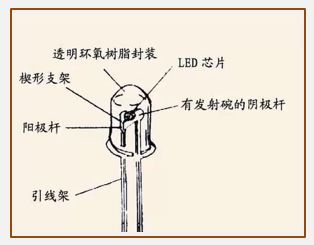
Check the product identification: Some plug-in LED chips will have positive and negative poles, such as "+" or "-" symbols, or letters such as "P" (positive pole) and "N" (negative pole) next to the pins. These markings can help you determine the positive and negative poles.
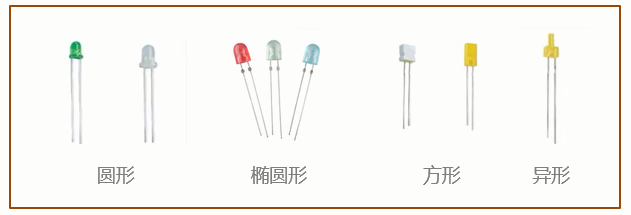
Use a multimeter to measure: You can use the resistance measurement function of the multimeter to determine the positive and negative poles of the plug-in LED emmitting light . After the multimeter selects the resistance measurement gear, touch the positive and negative poles to the two pins of the LED diode respectively. If the resistance value is normal (usually between tens of ohms and hundreds of ohms), then the pin is positive, otherwise it is negative.

Please note that it is very important to correctly determine the positive and negative poles of the plug-in LED diode . Reverse polarity may cause the light-emitting diode to be damaged or malfunction. If you are unsure about the polarity of the LED diode , it is recommended to check the product specifications or consult the supplier for accurate information.
led diode ,light, plug-in LED chips,dip ,light-emitting diode,LED chips
Info.Recommendation



Sales Hotline
Address: 6th Floor, Building E, Huachuangda Industrial Park, Gushu Hangcheng Avenue, Xixiang, Baoan District, Shenzhen, Guangdong.
Product Message
WeChat consulting